This website uses cookies to enhance your experience, personalize content, and analyze our traffic. By continuing to browse the site, you agree to our use of cookies. Learn more about our cookie policy. Cookie policy
As organizations continue to grow, managing employee departures securely has become a critical part of modern IT operations. Offboarding is no longer limited to collecting laptops, disabling accounts, and removing access permissions. Companies today manage large amounts of sensitive information stored across devices, cloud platforms, and digital systems. A poorly managed offboarding process can create serious security risks, including unauthorized access, data exposure, compliance failures, and financial losses.
Secure offboarding at scale requires a structured approach that combines asset management, verified data destruction, documented chain of custody, and professional IT Asset Disposition (ITAD) practices. Organizations must ensure that every device, document, and piece of digital information is handled responsibly from the moment an employee leaves until the asset reaches its final destination.
A properly designed offboarding strategy provides visibility, accountability, and confidence. Businesses can reduce security risks while maintaining compliance with industry regulations and protecting valuable company data.
Understanding Secure Employee Offboarding
Employee offboarding is the process of safely managing the transition when a worker leaves an organization. While human resources teams typically handle exit procedures, IT departments play a major role in protecting company systems and information.
Modern businesses rely on numerous digital assets, including laptops, smartphones, tablets, servers, storage devices, and cloud accounts. Each asset may contain confidential information such as customer records, internal documents, financial data, and business strategies.
Without proper controls, former employees may unintentionally retain access to company resources or sensitive information may remain stored on returned devices.
The Importance of Chain of Custody
Chain of custody is one of the most important elements of secure IT asset management. It creates a documented record showing who handled an asset, when it was transferred, and what actions were performed throughout its lifecycle.
For organizations managing hundreds or thousands of devices, maintaining a clear chain of custody helps prevent confusion and reduces security risks.
A strong chain of custody process typically includes:
Asset identification numbers
Device collection records
Employee assignment history
Transfer documentation
Transportation details
Storage records
Final disposition reports
Every step should be recorded to create a complete audit trail. This documentation allows organizations to verify that assets were handled according to approved security procedures.
Why Chain of Custody Matters for Compliance
Many industries have strict requirements regarding data protection and information handling. Regulations often require businesses to demonstrate that sensitive information is properly controlled throughout its lifecycle.
A documented chain of custody helps organizations prove that:
Devices were securely collected
Data destruction procedures were followed
Unauthorized access was prevented
Assets were processed responsibly
During audits or security reviews, detailed records provide evidence that the company follows appropriate data protection practices.
Secure Data Wiping and Data Destruction
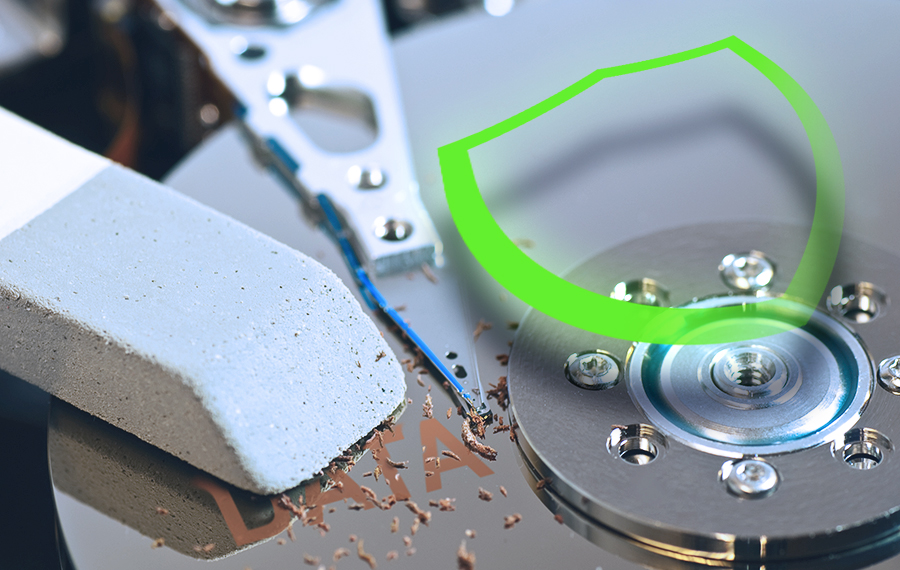
Simply deleting files or performing a factory reset is not enough to permanently remove sensitive information from electronic devices. Data recovery tools can often retrieve information from improperly erased storage media.
Secure data wiping involves using specialized AI recruiting software and procedures designed to permanently remove information from storage devices.
Professional data wiping methods may include:
Overwriting storage media with approved patterns
Cryptographic erasure
Verification processes
Destruction of damaged storage devices
Certification of completed wipes
A reliable data destruction process ensures that confidential business information cannot be recovered after an asset leaves company control.
The Role of Data Erasure Standards
Organizations should follow recognized data destruction standards to ensure consistent and reliable results. Standardized processes help businesses demonstrate that data removal procedures meet security expectations.
A professional data wipe process should provide:
Device identification
Erasure method used
Completion date
Verification results
Technician information
Certificate of data destruction
These records create accountability and allow companies to confirm that every device has been securely processed.
IT Asset Disposition (ITAD) Explained
IT Asset Disposition refers to the process of managing technology equipment after it is no longer required by an organization. ITAD includes collecting, evaluating, recycling, reselling, refurbishing, and securely disposing of electronic assets.
A complete ITAD program helps businesses recover value from retired equipment while protecting sensitive information.
ITAD services may include:
Asset collection
Inventory management
Data destruction
Equipment refurbishment
Recycling
Resale management
Environmental compliance reporting
Instead of allowing outdated devices to remain unused or become security risks, organizations can manage technology retirement through structured ITAD processes.
Benefits of Professional ITAD Solutions
Professional ITAD services provide several advantages for growing businesses.
Improved Data Security
ITAD providers use secure processes to ensure company information is removed before devices are reused, recycled, or sold.
Better Asset Visibility
Organizations gain accurate records of where devices are located and what happens to them after retirement.
Regulatory Compliance Support
Proper documentation helps businesses meet data protection and environmental requirements.
Cost Recovery
Some retired assets may still have market value. Responsible ITAD programs can help organizations recover financial value from unused technology.
Environmental Responsibility
Certified recycling and reuse programs reduce electronic waste and support sustainable business practices.
Creating an Auditable Offboarding Workflow
A scalable offboarding process should be designed with clear responsibilities and repeatable procedures.
A strong workflow may include:
Step 1: Identify Company Assets
Before an employee leaves, organizations should identify all assigned equipment, accounts, and digital resources.
User access should be removed according to company security policies. This prevents unauthorized login attempts and protects internal systems.
Important actions may include:
Disabling accounts
Removing permissions
Revoking authentication tokens
Employee laptop agreement: Confirm that employees sign acknowledgment forms outlining asset ownership, return deadlines, and device condition requirements.
Step 3: Collect Devices Securely
Returned equipment should be collected using documented procedures. Each device should be recorded and matched with company inventory records.
Step 4: Perform Data Sanitization
Devices should undergo secure data wiping or physical destruction depending on their condition and business requirements.
Step 5: Document Final Disposition
The organization should record whether each asset was reused, recycled, resold, or destroyed.
This creates a complete lifecycle record for future audits.
Scaling Offboarding Across Large Organizations
Managing offboarding manually becomes difficult as companies expand. Large organizations may handle hundreds or thousands of employee transitions across different locations.
Automation and centralized asset management platforms can improve efficiency by:
Tracking devices automatically
Creating workflow notifications
Maintaining inventory records
Monitoring compliance tasks
Generating audit reports
A scalable approach ensures that security standards remain consistent regardless of company size.
Common Challenges in Secure Offboarding
Organizations often face several challenges when managing employee departures.
Missing Asset Records
Incomplete inventory information can make it difficult to identify company-owned equipment.
Remote Employees
Distributed teams create additional challenges for collecting devices and verifying returns.
Inconsistent Procedures
Different departments may follow different processes, increasing security risks.
Lack of Documentation
Without proper records, organizations may struggle to prove compliance during audits.
Addressing these challenges requires standardized policies, employee awareness, and reliable technology solutions.
The Future of Secure IT Offboarding
As businesses continue adopting remote work, cloud services, and digital transformation strategies, secure offboarding will become increasingly important.
Future IT asset management practices will likely include greater automation, artificial intelligence-based monitoring, advanced tracking systems, and improved integration between HR and IT platforms.
Organizations that invest in secure offboarding processes will be better prepared to protect sensitive information, maintain compliance, and manage technology assets efficiently.
Conclusion
Secure offboarding at scale requires more than collecting devices and closing accounts. Businesses must create structured processes that protect data, maintain accountability, and provide complete visibility throughout the asset lifecycle.
Chain of custody documentation, secure data wiping, and professional IT Asset Disposition practices help organizations reduce security risks while improving compliance and operational efficiency. By implementing auditable workflows and reliable technology management systems, companies can ensure that employee transitions remain secure, organized, and responsible.
A strong offboarding strategy is not only an IT requirement but also an essential part of modern cybersecurity and business continuity planning.
Start learning with Acadomi! Explore thousands of affordable courses on any topic, anytime, and anywhere. Join our community and unlock your potential today!
Leave a comment