Inspirational journeys
Follow the stories of academics and their research expeditions
What Is a Business Model and Why Does Your Startup Need One?

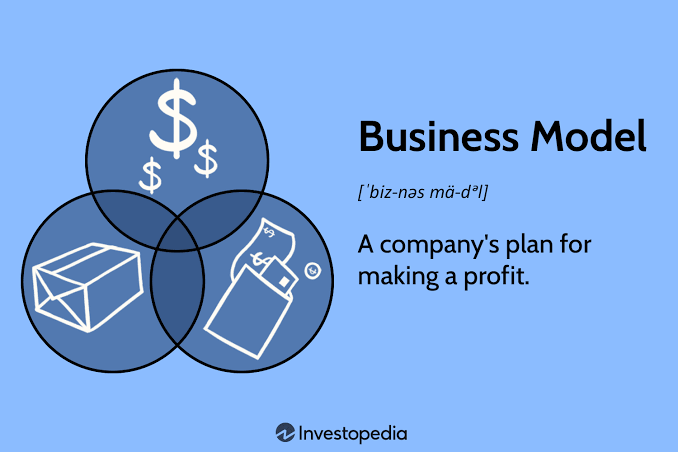
Starting a startup is an exciting journey filled with innovation, ambition, and countless opportunities. Entrepreneurs often spend significant time developing products, creating websites, designing marketing strategies, and attracting potential customers. While these activities are important, one of the most essential elements of building a successful company is often overlooked: creating a strong business model.
A business model is the foundation that explains how a company creates value, delivers products or services to customers, and generates revenue. It provides a clear structure for understanding how a business operates and how it can achieve long-term sustainability.
Without a well-defined business model, even the most creative startup idea may struggle to survive.start an e-commerce company in Hong Kong fail not because their ideas are poor, but because they lack a clear strategy for turning those ideas into profitable businesses.
For entrepreneurs planning to enter competitive markets, a strong business model provides direction, improves decision-making, attracts investors, and helps build a company capable of sustainable growth.
This article explains what a business model is, why startups need one, the key components of a successful model, different types of business models, and how entrepreneurs can create a strategy that supports long-term success.
Understanding a Business Model
A business model is a framework that explains how a company creates, delivers, and captures value. In simple terms, it describes how a business solves customer problems while generating income.
Every company operates using a business model, whether it is clearly defined or developed naturally over time.
A business model answers important questions such as:
- Who are your customers?
- What problem does your business solve?
- What products or services do you provide?
- How will customers find and purchase your offerings?
- How will your company generate revenue?
- What resources are required to operate successfully?
For example, a traditional retail business may generate revenue by purchasing products from suppliers and selling them directly to customers. A software company may use a subscription model where customers pay monthly fees for continued access to a service.
Understanding the business model helps entrepreneurs identify how different parts of their company work together.
Why Every Startup Needs a Business Model
Many entrepreneurs begin with a great idea, but an idea alone is not enough to build a successful company. A startup needs a practical system that explains how it will operate, attract customers, and generate consistent revenue.
A strong business model provides several important benefits.
Provides Clear Business Direction
A business model acts as a roadmap for entrepreneurs. It helps define priorities, identify opportunities, and avoid unnecessary decisions.
When founders understand how their business creates value, they can make better choices regarding product development, pricing, marketing, and expansion.
Helps Attract Investors
Investors want to understand how a startup plans to make money. A clear business model demonstrates that founders have considered important factors such as customer demand, revenue opportunities, and future growth.
A startup with a realistic business model is more likely to gain investor confidence because it shows a clear path toward profitability.
Improves Resource Management
Startups usually operate with limited resources. A business model helps entrepreneurs understand where to invest time, money, and effort.
By identifying essential activities and resources, companies can reduce waste and focus on areas that create the greatest value.
Supports Long-Term Growth
Growth requires more than increasing sales. Businesses need systems that can handle larger customer bases, increased operations, and changing market conditions.
A strong business model creates a foundation that allows companies to expand efficiently.
Key Components of a Business Model
A successful business model consists of several important elements that work together.
Value Proposition
The value proposition explains why customers should choose your business instead of competitors.
It identifies the unique benefits your product or service provides and the problems it solves.
A strong value proposition answers:
- What makes your product different?
- Why should customers trust your business?
- What specific need does your solution fulfill?
A company with a clear value proposition can communicate its advantages more effectively.
Customer Segments
Every business needs to understand who it serves.
Customer segments identify the specific groups of people or organizations that are most likely to purchase a product or service.
Understanding customer needs helps businesses create better products, targeted marketing campaigns, and improved customer experiences.
Revenue Streams
Revenue streams explain how a company earns money.
Common revenue methods include:
- Product sales
- Subscription fees
- Service charges
- Advertising income
- Licensing payments
- Commission-based earnings
A strong business model clearly identifies how revenue will be generated and how income can grow over time.
Distribution Channels
Distribution channels describe how customers access products or services.
Examples include:
- Online stores
- Mobile applications
- Physical locations
- Marketplaces
- Business partnerships
- Social media platforms
Choosing the right channels helps businesses reach customers more efficiently.
Customer Relationships
Customer relationships describe how a company interacts with its audience.
Strong customer relationships often lead to:
- Repeat purchases
- Positive reviews
- Brand loyalty
- Customer referrals
Businesses can build relationships through quality support, personalized communication, and reliable service.
Key Resources
Key resources are the assets required to operate a business successfully.
These may include:
- Employees
- Technology
- Equipment
- Intellectual property
- Financial resources
- Supplier networks
Identifying essential resources helps companies plan their operations more effectively.
Key Activities
Key activities are the important tasks a company must perform to deliver value.
Examples include:
- Product development
- Marketing
- Sales
- Manufacturing
- Customer support
- Logistics management
Understanding these activities helps businesses improve efficiency.
Key Partnerships
Many companies depend on external partners to operate successfully.
Partnerships may include:
- Suppliers
- Manufacturers
- Payment providers
- Technology companies
- Distribution partners
Strategic partnerships can help startups reduce costs and expand capabilities.
Cost Structure
The cost structure explains the expenses involved in running a business.
Common costs include:
- Employee salaries
- Marketing expenses
- Technology costs
- Inventory
- Operations
- Administrative expenses
Understanding costs is essential for maintaining profitability.
Common Types of Business Models
Startups can choose from different business models depending on their industry, customers, and goals.
Direct Sales Model
The direct sales model involves selling products or services directly to customers.
Many retail businesses and online stores use this approach.
The company earns revenue through individual purchases.
Subscription Model
The subscription model allows customers to pay recurring fees for continuous access to products or services.
Examples include software platforms, membership services, and digital content providers.
This model creates predictable revenue and encourages long-term customer relationships.
Marketplace Model
Marketplace businesses connect buyers and sellers while earning money through commissions or transaction fees.
This model is common in online platforms where multiple sellers offer products or services.
Freemium Model
The freemium model provides basic features for free while charging customers for premium services.
Many digital applications use this approach to attract users and encourage upgrades.
Advertising Model
Advertising-based businesses generate revenue by displaying advertisements to users.
This model is common among websites, social media platforms, and content-based services.
Licensing Model
The licensing model allows businesses to earn revenue by permitting others to use their technology, intellectual property, or brand assets.
Why Great Ideas Need Strong Business Models
Many entrepreneurs believe that having a unique idea is the key to success. However, innovation alone does not guarantee business growth.
A great idea must be supported by a practical system that explains how the company will operate and generate income.
Some businesses succeed not because they create completely new products, but because they develop better ways to deliver value.
A strong business model can help companies compete through:
- Better customer experiences
- More efficient operations
- Improved pricing strategies
- Faster delivery
- Stronger relationships
The business model transforms an idea into a sustainable organization.
How Business Models Support Startup Growth
A scalable business model allows startups to grow without creating unnecessary complexity.
As companies expand, they need systems that support:
- More customers
- Larger teams
- Increased sales
- Additional markets
- Greater operational demands
A well-designed business model helps entrepreneurs create repeatable processes and prepare for future challenges.
It also makes it easier to identify opportunities for improvement and expansion.
How to Create a Strong Business Model
Developing a business model requires careful research and planning.
Entrepreneurs should begin by understanding their target customers and identifying the problems they want to solve.
Important steps include:
Research the Market
Study customer behavior, competitors, and industry trends.
Define Your Value
Clearly explain why customers should choose your solution.
Select Revenue Methods
Determine how the company will generate income.
Evaluate Costs
Understand the expenses required to operate successfully.
Test and Improve
Gather feedback and adjust the model based on real-world results.
A business model should continue evolving as the company grows and market conditions change.
Conclusion
A business model is the foundation of every successful startup. It explains how a company creates value, serves customers, generates revenue, and builds long-term sustainability.
While products, marketing, and technology are important, they cannot replace the importance of having a clear business strategy.
A strong business model helps entrepreneurs make better decisions, attract investors, manage resources effectively, and prepare for future growth.
Startups that invest time in developing a practical and flexible business model are better positioned to overcome challenges and achieve lasting success. By understanding customers, creating meaningful value, and building efficient operations, entrepreneurs can transform innovative ideas into successful businesses.
0 Comments
Categories
- blog 1838
Recent posts
Study Science and Technology at the University of AlMaarif
Mon, 27 Jul 2026

How Interior Design Services Transform Modern Apartment Spaces
Mon, 27 Jul 2026

Leave a comment